6 Tips for Winterizing Your Home
Plus 10 Additional Tips to Save Energy (and $$) this Winter!)
Autumn is one of my favorite seasons! Leaves are changing, and the air is crisp. I love sipping hot coffee while bundled up in a warm sweater. As summer gradually slips away here, now is the time to start thinking about preparing your home for winter in the mountains.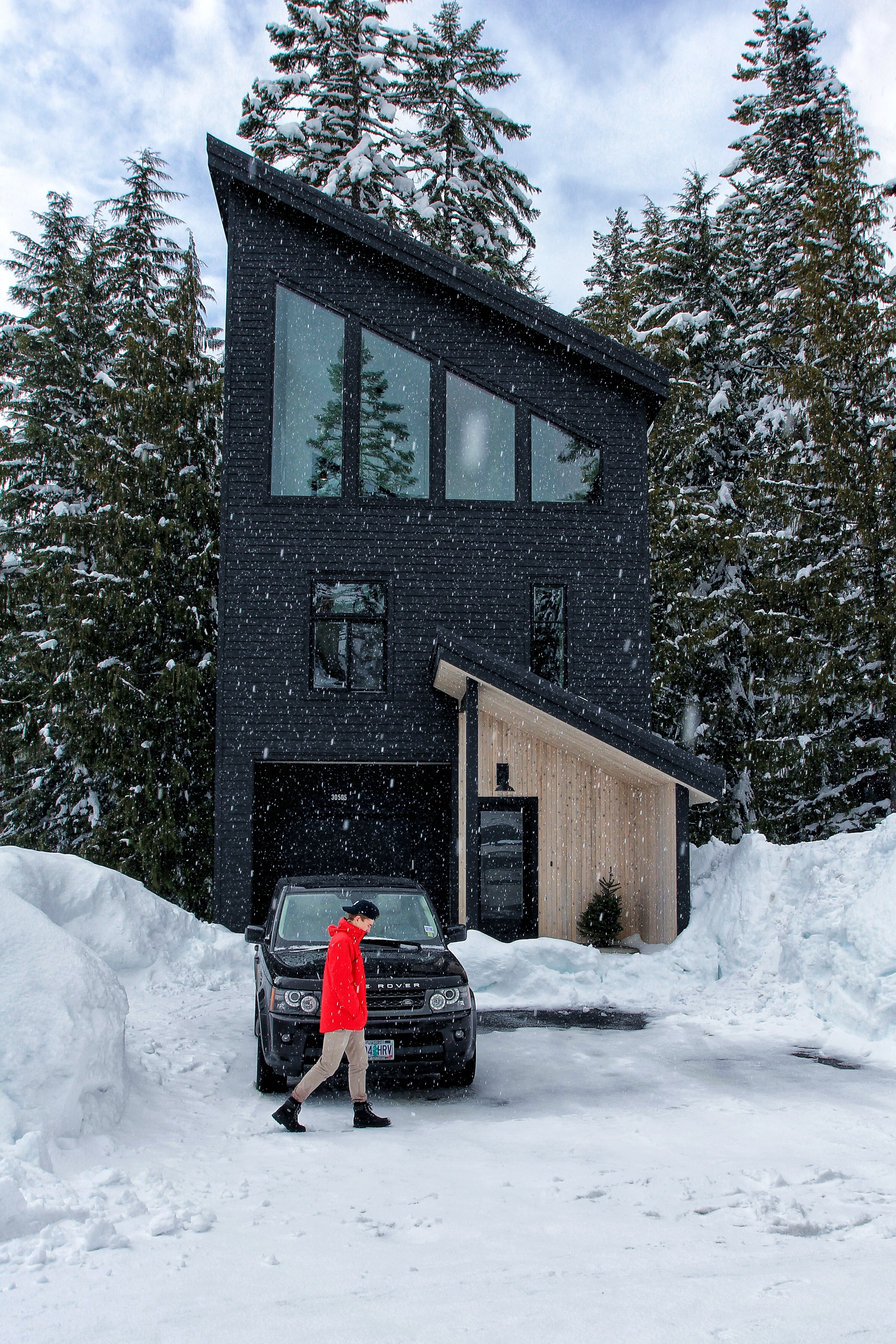
Starting in the fall, Summit County can experience heavy snowfall, freezing temperatures along with higher gas and electric bills. It’s essential to do what you can around the house to keep the house warm and safe.
1. Clean Your Furnace and Sweep the Chimney
If you haven’t turned on your furnace yet, it’s only a short time before you need to. Consider having your furnace serviced in October or November to ensure your unit is working correctly. If you have a fireplace and plan to use it as a heat source, consider having your chimney swept before winter.
2. Change out HVAC Filters and Insulation
Change out the filters on your HVAC to ensure your furnace is circulating clean air and that your unit is performing efficiently. Keeping your filters and insulation up-to-date can help reduce your energy bill over the winter months.
3. Turn off Irrigation and Cover Exterior Faucets
Turn off any water sources outside before the first freeze. Water remaining in your pipes can expand and crack pipes in freezing temperatures, so make sure to flush the irrigation pipes and outdoor faucets before the first freeze. Consider installing outdoor faucet covers to ensure pipes don’t freeze. And be sure to inspect hot tub hoses in October to ensure they can operate safely during the winter.
4. Check Your Roof and Gutters
Before the snow falls, it’s essential to make sure you inspect your roof, shingles, and gutters for leaks and cracks. Be sure to clean out debris and leaves from the trenches that may clog and prevent water from draining down and away from your home correctly. Water that sits in the gutters, on the roof, or near the house (in areas where it shouldn’t) and freezes when temperatures drop can expand as it turns into ice and damages your roof or foundation. In the Spring, when the snow melts, water may seep in cracks that occurred as a result and damage your home.
4. Seal Gaps Around Windows and Door Frames
Cold air can enter your home even though the smallest cracks around the window frames, window sills, or door frames. You can find air leaks using a smoke pencil. To keep your energy and heating costs low, make sure you seal these cracks properly with caulk, spray foam, or other weatherproofing materials.
5. Protect Outdoor Plants and Plant Perennial Bulbs
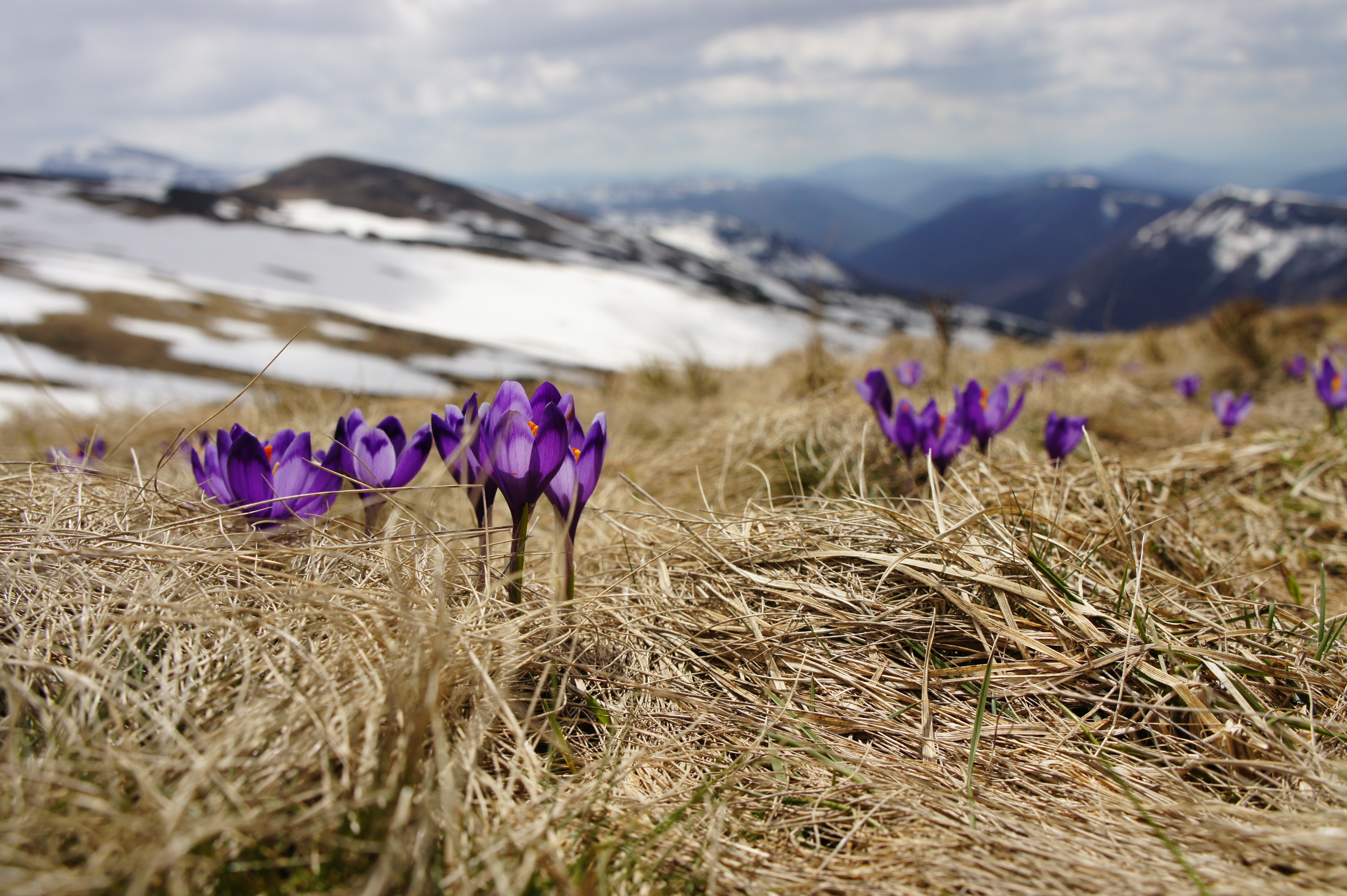 Some plants will need protection over the winter or be brought in, including some tender perennials (such as geraniums) or tubers such as Dahlias. Perennial bulbs should be planted in the fall approximately six weeks before the ground freezes, so mid-September to Early October is the perfect time in Summit County. It’s a good idea to water the bulbs once after planting, so be sure to do that before turning off your irrigation! Perennial bulbs to grow in the fall include daffodils, tulips, and irises. In the Spring, you will be happy to see your efforts of fall planting pay off! Visit the Summit County Garden Club for more information about gardening and plant care in our alpine climate.Â
10 Tips to Save Energy (and $$) During the Winter
- Install a Smart Thermostat- features allow smart thermostats to adjust the temperature in your home automatically and can be programmed to turn down the heat at times when you won’t be home.
- Pay Attention to Windows- Approximately 10-25% of your heat loss can be due to windows. Open curtains on south-facing windows to allow the sunlight to warm the room. Close the curtains on windows without direct sunlight (and at night) to keep the heat inside. Cellular blinds have more insulation than thin blinds, so next time you replace your blinds, consider options that improve insulation.
- Maintain Your HVAC System & Furnace
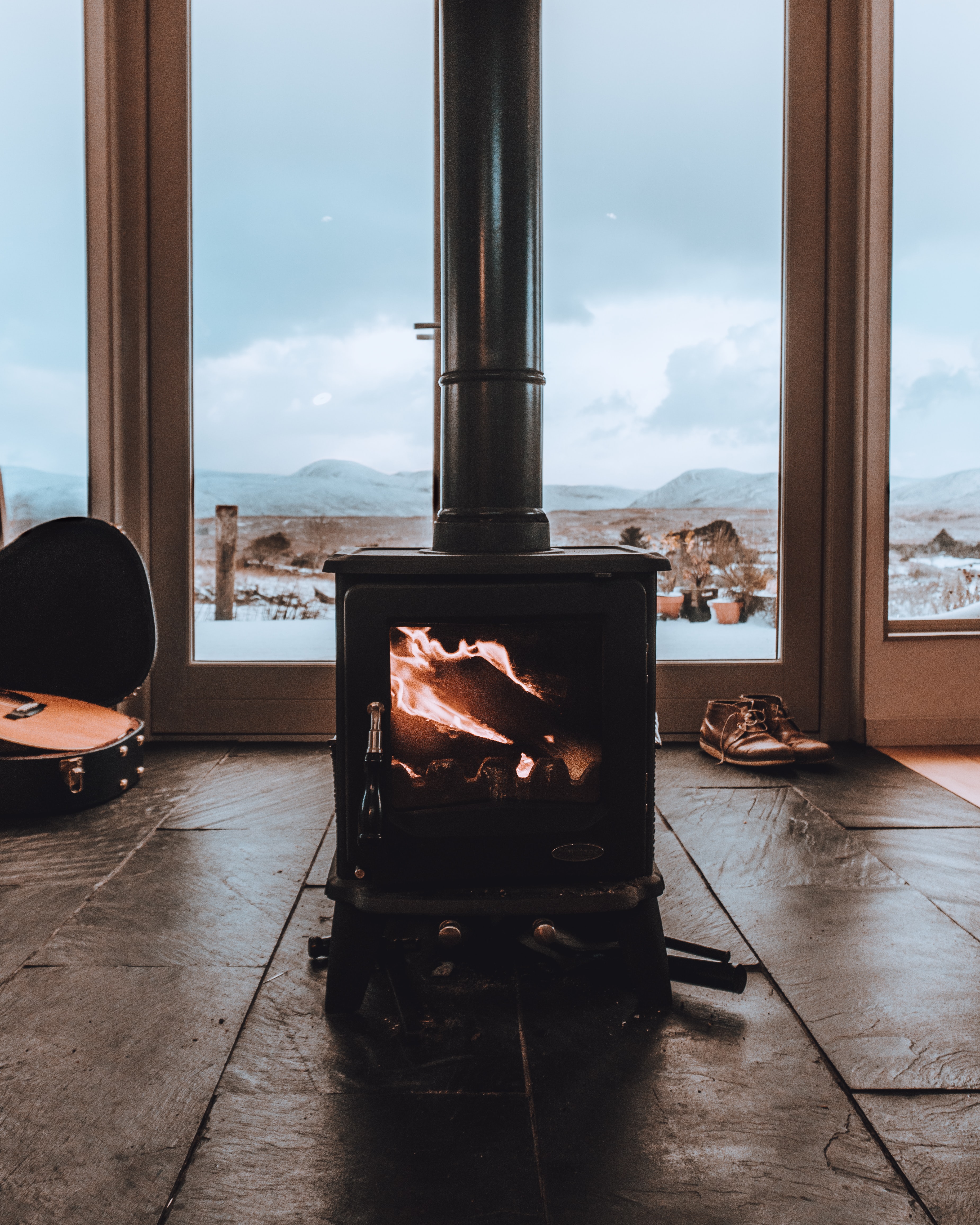
- Stop Using Your Fireplace- yes, you read that correctly. Generally speaking, a wood-burning fireplace is very inefficient due to drafts that can pull the warm air up through the chimney, causing other rooms to be colder. Also, if you have a wood-burning fireplace running simultaneously as your furnace, this causes the furnace to have to work harder to maintain temperatures in the rest of the home. Lastly, wood-burning fireplaces contribute to air pollution. Bottom line- If possible, consider using your fireplace as ambiance, not heat. Seal the chimney flue when not in use.
- Use LED Lights- the initial investment of replacing old bulbs with LED lights
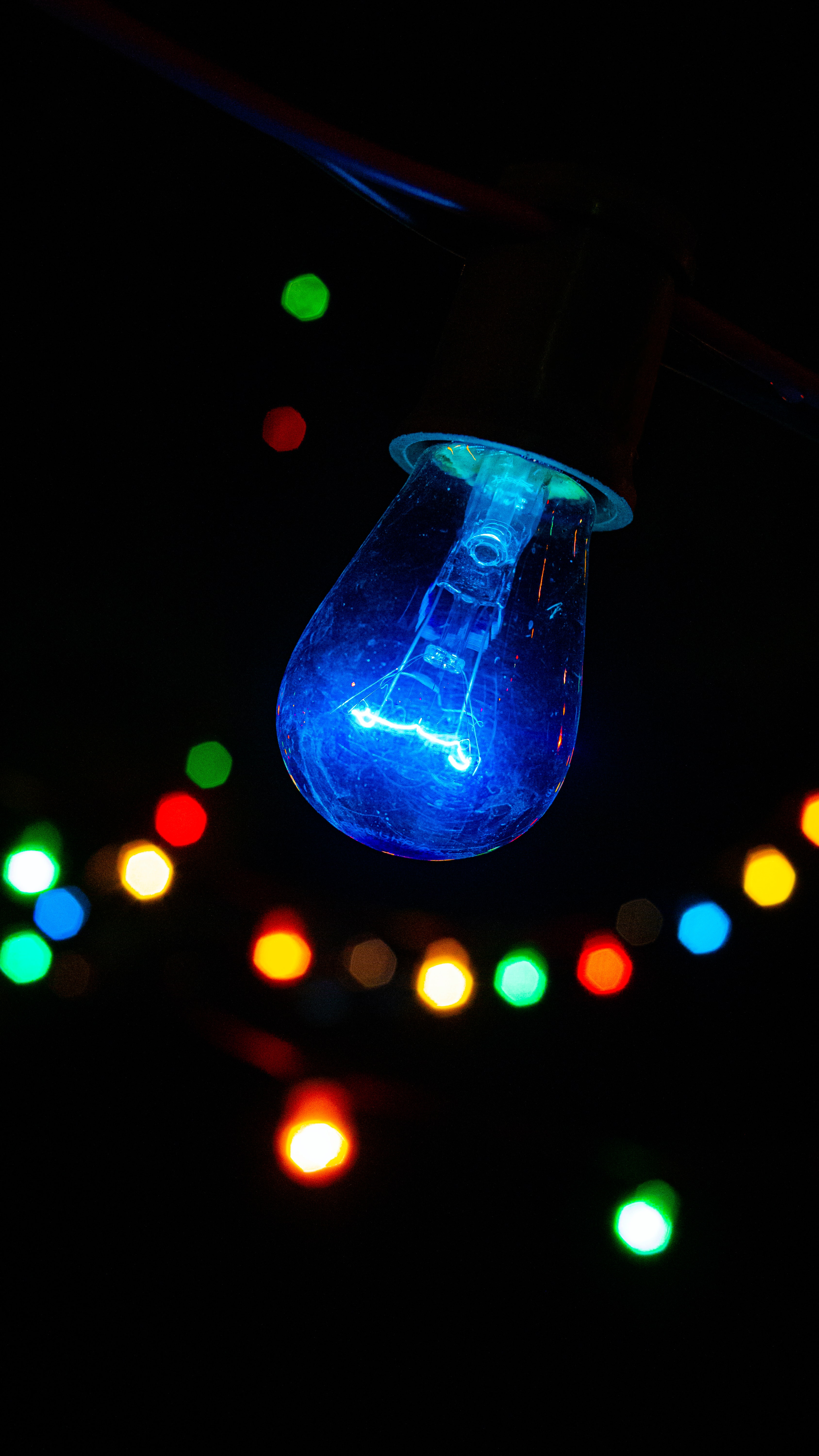 can be high; however, the energy savings associated with using LED lights in your home can be significant. Also, consider purchasing only LED lights for a holiday decorating to keep expenses down.
 - Insulate the Water Heater and Pipes
- Use Fans to Circulate Air- Switch the blade rotation on your ceiling fan- this is a small change that can lead to significant energy cost savings. Since hot air rises to the ceiling, reversing your ceiling fan blade rotation to clockwise rotation can help push that warm air back down.
- Close Doors- Close the doors and vents for the rooms that are not in use.
- Change Air Filters- Clean air filters improve your furnace’s efficiency because a clean filter allows more air to easily travel through the vents and the filter. Dirty filters require that furnace work harder, causing higher operating costs and possibly shortening your furnaces lifespan
- Humidifiers- Humid air holds heat better than dry air. Using a humidifier also reduces static electricity, dry skin, and helps with breathing.
:format(webp):quality(80)/u.realgeeks.media/yourperfectmountainhome/TinyPerfectMountainHomes_v1_bg.png)